
Video Production
How to Write a Video Production Brief: A Buyer’s Checklist
A practical video production brief checklist and copy-and-fill template for defining your audience, deliverables, responsibilities, budget and next steps.
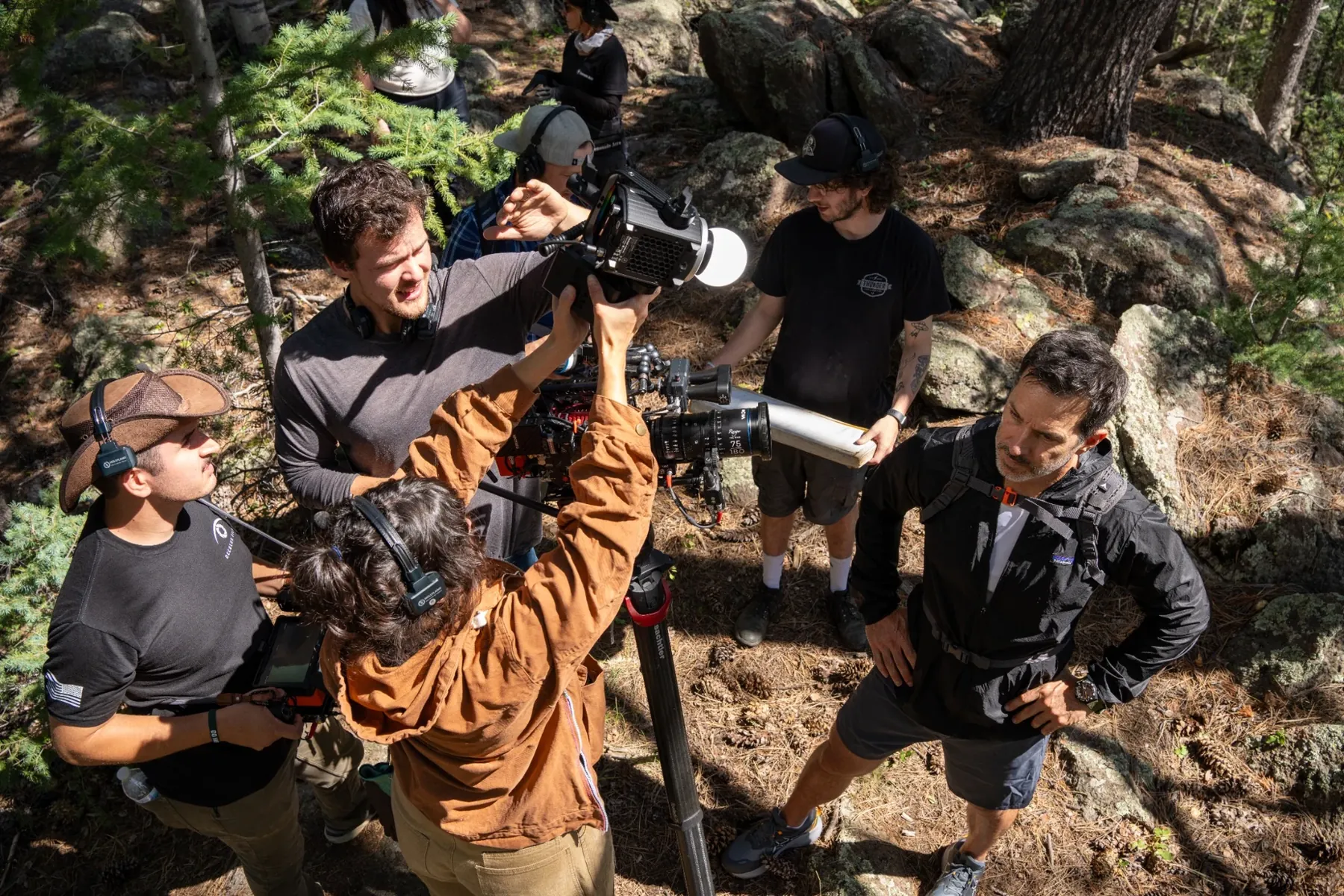
Before you call a video production company, get as clear as you can about the business problem or objective behind the project. Why video? Why this project, and why now?
You may already have the right idea. We still want to understand what you are trying to accomplish before building a production around it. Spending money on a video that does not address the actual issue helps nobody.
A useful video production brief gives that conversation a starting point: the business goal, audience, intended use, message, timing and budget. You do not need every answer before contacting us. If something is unclear, we can help you work through it.
What is a video production brief?
A video production brief is a concise description of the business problem, audience, message, intended uses, deliverables and constraints for a video project. It can start as a page of notes. Its value comes from making the important decisions and unknowns visible.
The brief comes before the detailed production plan. A script sets out what is said and shown. A shot list describes the footage to capture. Your brief explains what that work needs to accomplish.
1. Define the job the video needs to do
Start with the deeper reason for the project. What is important to the business right now? What challenge are you facing, or what goal are you trying to reach?
For example, you might want more people to attend next year’s event. The wider business goal may be growth, with increased event attendance as one way to achieve it. That context matters: different event videos can do different jobs. Knowing the goal helps us recommend the right kind of content.
Write down the audience, what they already know, the question or concern holding them back, and the next action you want them to take. If several departments want different things, identify the primary purpose and list the others separately.
Choose a useful way to evaluate the work, too. That might include whether the sales team uses the asset, whether viewers reach an inquiry page, or whether a recurring customer question is easier to answer. A video alone cannot guarantee sales, and a brief should not promise an unsupported result.
2. Give every deliverable a destination and an owner
Audience and placement are two different decisions. The audience might be prospective customers considering a particular product, your current customers or an internal team. The placement might be your website, a live event, paid social advertising or a streaming ad.
List where the content will appear before deciding what to film. A website story, a paid social ad and an event-screen video may need different lengths, framing, graphics and technical specifications.
For each asset, record its intended viewer, placement, format, deadline and the person responsible for putting it to use. Include supporting needs such as captions, thumbnails, photography and shorter versions when they are relevant. Ask what is included rather than assuming every format comes with the main edit.
Our event video and photography planning guide describes a problem we have seen: valuable content can sit unused when nobody owns its next use. Assigning that owner belongs in the plan, not in a conversation after delivery.
3. Explain the message and show the evidence
What should the audience remember? What result would you like from the video? For most sales-related videos, be clear about the action you want the viewer to take afterward. A training video may have a different purpose, such as helping someone understand or carry out a task, rather than a sales call to action.
Which person, demonstration or real situation can make the message credible? List the people and material you can provide, along with anything that still needs permission or verification.
For a customer story, include the buyer’s concern and the customer experience that could address it. Avoid writing a testimonial you expect the customer to repeat. Our video testimonial questions guide explains how to prepare for useful, natural answers.
Share references and explain what you like about them: pacing, tone, lighting, structure or how they explain a product. Flag what does not fit your brand. A reference is useful direction; it does not establish what another production cost or what your team should copy.
4. Share a comfortable budget range and the real deadline
A buyer may hesitate to share a budget for a good reason: “If I say I have $10,000, will the quote conveniently become $10,000?” Or you may be working from an annual marketing budget without knowing what this particular project should cost.
We understand that hesitation. At Occulus, the scope determines what we charge. If the work you need costs less than the budget you have available, the estimate should reflect that work. Knowing your budget helps us develop an appropriate approach instead of presenting a concept you cannot use.
Your comfortable range may be lower than your ceiling
Tell us what you would feel good about spending, not just the most you could theoretically spend. For example, you might be able to spend $10,000 but prefer $5,000–$7,000 because other marketing priorities need funding too. Landing around $6,000 might feel like a good outcome. These are illustrative numbers, not our rates or a quote.
That distinction gives us something useful to work toward. We want a solution that provides good value for you and makes business sense for us. A comfortable range, the important deliverables and the business goal help us assess whether that is possible.
An estimate can take more than one pass
Sometimes the first approach costs more than a client expected or can spend. When that happens, we try another pass at the scope. Different production approaches, crew needs and other elements affect the price. The question is what we can change or remove while protecting what matters to the project.
That takes a conversation about priorities, rather than simply asking for the same work at a lower number. We will look for a workable solution as close to your budget as possible, but every scope cannot fit every budget.
Explain what makes the deadline important
Include the actual delivery deadline or the range of dates you are considering. If the video has to play at a team meeting or live event, say so at the start. When a strict deadline is missing from the brief, we may not prioritize the project appropriately alongside other clients’ work. It is important information for planning, not a detail to add later.
Separately, note any fixed filming dates or limited participant availability, such as a customer who can only be interviewed on certain days.
Give your best estimate of the video’s length, too. It is a starting point we can discuss, not a requirement to know the right runtime already. Distinguish confirmed requirements from preferences, and note who can approve the work and any brand, legal, safety or access restrictions.
If something is unknown, label it. “Location not confirmed” is more useful than a guessed location presented as settled. Ask which unknowns affect the estimate and when they need to be resolved.
Separate essential deliverables from optional ones so the production team can discuss tradeoffs. Do not assume a longer wish list can fit the same shoot window or budget.
5. Agree on who is doing the work
Be explicit about whether you need a complete project or production support for your own team. Who handles creative development, participant coordination, locations, editing, graphics, captions, reviews and final exports?
If your internal editor will finish the work, specify the handoff they need. File formats, audio, organization, transfer and delivery timing all matter. Our production-only crew service explains that type of collaboration.
Name the person who consolidates feedback and the final approver. Agree on review milestones in the project scope. A brief helps define the work; the proposal and agreement should confirm the deliverables, responsibilities, revisions and terms.
A real example: developing the Praesidus Ranger brief
For the Praesidus Ranger watch campaign, the client supplied initial direction, a lookbook and a rough script. Occulus worked with their team to refine the script and connect the watch’s features to specific shots.
The initial concept was not treated as a finished production plan. When a swimming sequence proved too resource-intensive, the team developed a backpacking sequence with nighttime rain to demonstrate water resistance and illumination. The project’s purpose gave the team something to preserve while the execution changed.
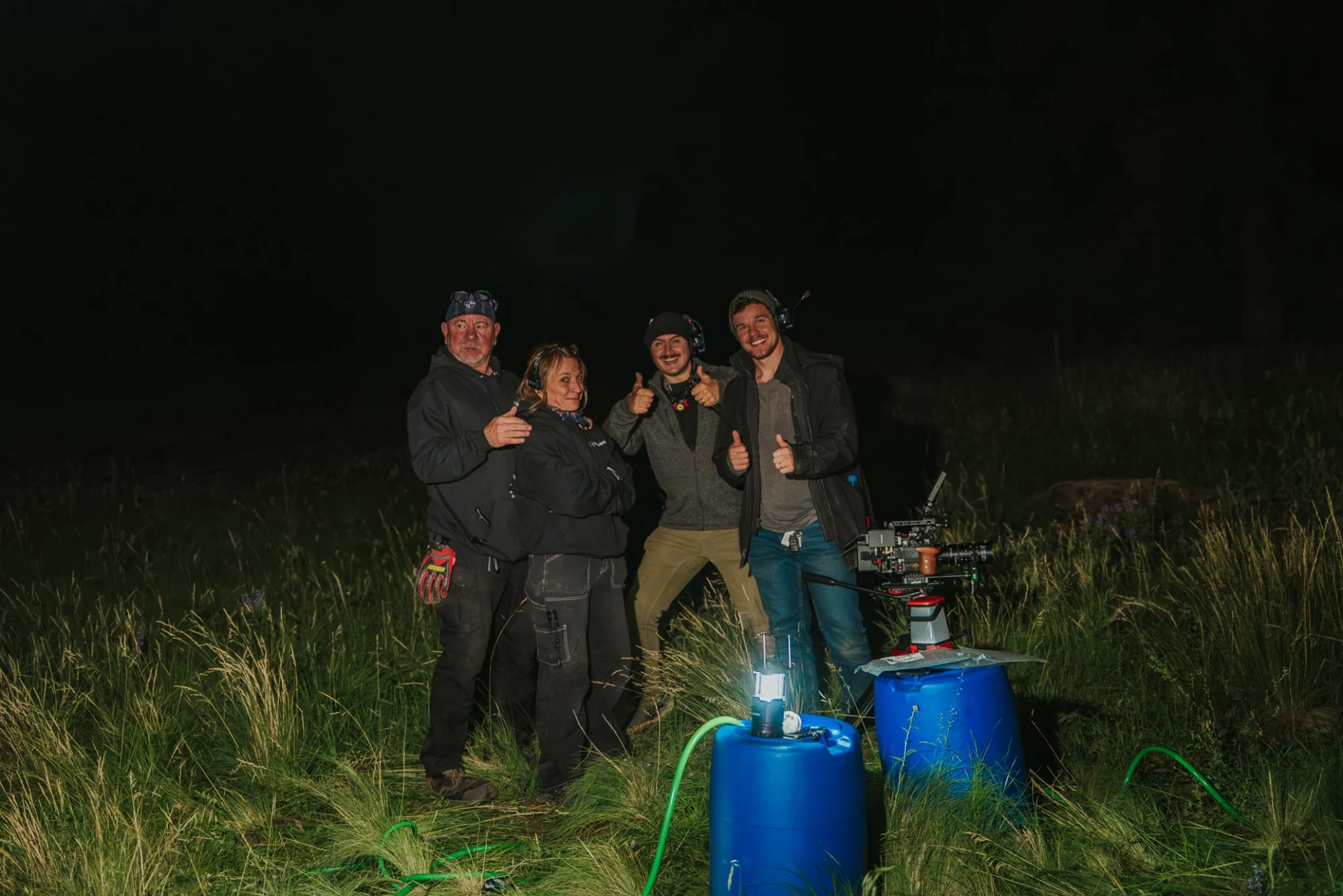
The campaign also had defined uses: Meta and Google advertising and the brand’s collection page. The delivered video package included the main film, a 30-second cut and a 12-second cut, each in horizontal and vertical formats, alongside photography and raw assets. Those are this project’s deliverables, not a standard package or a claim about its performance.
Watch the Praesidus Ranger campaign videos or read the production breakdown.
Copy-and-fill video production brief template
Use these prompts as a starting worksheet. Keep the answers plain, separate requirements from ideas, and mark anything you need help deciding.
- Project: A short description of the subject or focus, working title, company and main contact. Include an expected number of filming days if known.
- Business need: What problem should this content help address?
- Audience: Who is it for, and what do they already know or worry about?
- Desired action: What should viewers do next?
- Main message: What one point should they remember?
- Evidence: Which people, demonstrations, facts or existing assets can support it?
- Deliverables: For each asset, list placement, length or range, orientation, captions, owner and delivery date.
- Creative direction: References, what you like about them, and what to avoid.
- Scope: Full production or capture only? Who handles editing and deployment?
- Budget: A comfortable spending range, any firm ceiling, essential priorities and optional additions.
- Schedule: Delivery date and why it matters, fixed filming dates, participant availability and review milestones.
- Constraints: Locations, access, approvals, permissions, brand requirements and safety considerations.
- Approval: Feedback coordinator and final decision-maker.
- Success: How will you check whether the content was used and helped its intended purpose?
- Open questions: What needs a recommendation or a decision before scope is confirmed?
What is the minimum information needed to start?
At a minimum, give us a short description of the project’s subject or focus. That might be, “We want to film a client testimonial,” or, “We have an event where we would like video coverage.” We need to understand what the project is about before we can discuss the work.
If you already have an idea of how many filming days are involved, include it. You do not need to know the shoot-day count before contacting us. That initial description starts the conversation; it is not the same as having a fully defined scope or a final estimate.
What if you do not have all the answers?
You can start without knowing the viewing format or platform, the specific audience or the right video length. From your company and project description, we can often make a reasonable initial judgment about the audience and estimate an appropriate length. Those are starting assumptions to discuss, not a reason to skip the conversation.
We strongly recommend talking through the project before relying on an estimate. Scope details matter, and an estimate prepared without that conversation may be less accurate.
Bring the clearest understanding you have of your business goal and whatever details are already known. The production conversation can help clarify the audience, message, format and approach. We are happy to guide you through those decisions; completing a perfect brief is not a condition of asking for help.
Our estimate questionnaire asks for a project title and goal, completion timeline, audience, primary destination, approximate video length, reference videos and budget range, alongside contact details and how you found us. If you have seen something close to what you want, share the link and explain what you like about it.
A briefing mistake worth avoiding: comparing quotes without a conversation
One mistake worth watching for is gathering quotes without speaking with the production companies. It is not necessarily the biggest mistake in every project, but it can lead to a misleading comparison.
Without enough detail, a company may estimate more work than you actually need. You could then reject a company that would have been a good fit before it has the chance to clarify the scope and propose a more appropriate approach. That can mean missing a better combination of useful work and price.
Give each company a chance to understand the project. Ask what its estimate assumes, what work is included and which details could change the price. That conversation helps you compare actual approaches instead of totals built around different guesses.
Questions to ask when comparing production proposals
Once you have shared the brief, ask each company to explain the work behind its estimate:
- How many revisions are included, and what counts as a revision? Clarify what a review round covers and how changes outside the agreed scope are handled.
- What does your process look like? Ask how the team moves from the brief through planning, production, feedback and delivery.
- Exactly what will you deliver? “We will edit the video” leaves room for different interpretations. Does that mean one horizontal video? Is a vertical edit included? What about a thumbnail? These are examples to clarify, not items every project must include.
- What relevant experience do you have, or how would you approach this production? A team does not need to have filmed your exact industry before to be a good fit. Production skills can transfer between industries. Ask the team to explain how its experience and approach apply to your project.
Before you request a proposal
Ask someone outside the project to read the brief. Can they identify the audience, purpose, intended use and required output without asking you to translate? Send the same core information to each production company you are evaluating, and ask them to identify assumptions and exclusions.
If your project is built around customer proof, explore our testimonial video production. For a broader company story, see our brand film production.
Tell Occulus Films what you are planning. Share your audience, intended use, timing and working scope so we can discuss the production approach.