
Marketing Your Business
4 Ways to Use Video for Construction Marketing
Use project tours, practical Q&A videos, time-lapse, and customer stories to show prospective construction clients how your team works.

Before hiring a construction company, a prospective client wants to understand more than the finished result. Can your team handle this kind of project? What will the process involve? How do you respond when plans change?
Video can help answer those questions by showing the work and the people responsible for it. Here are four ways to use it in construction marketing, with a practical plan for each.
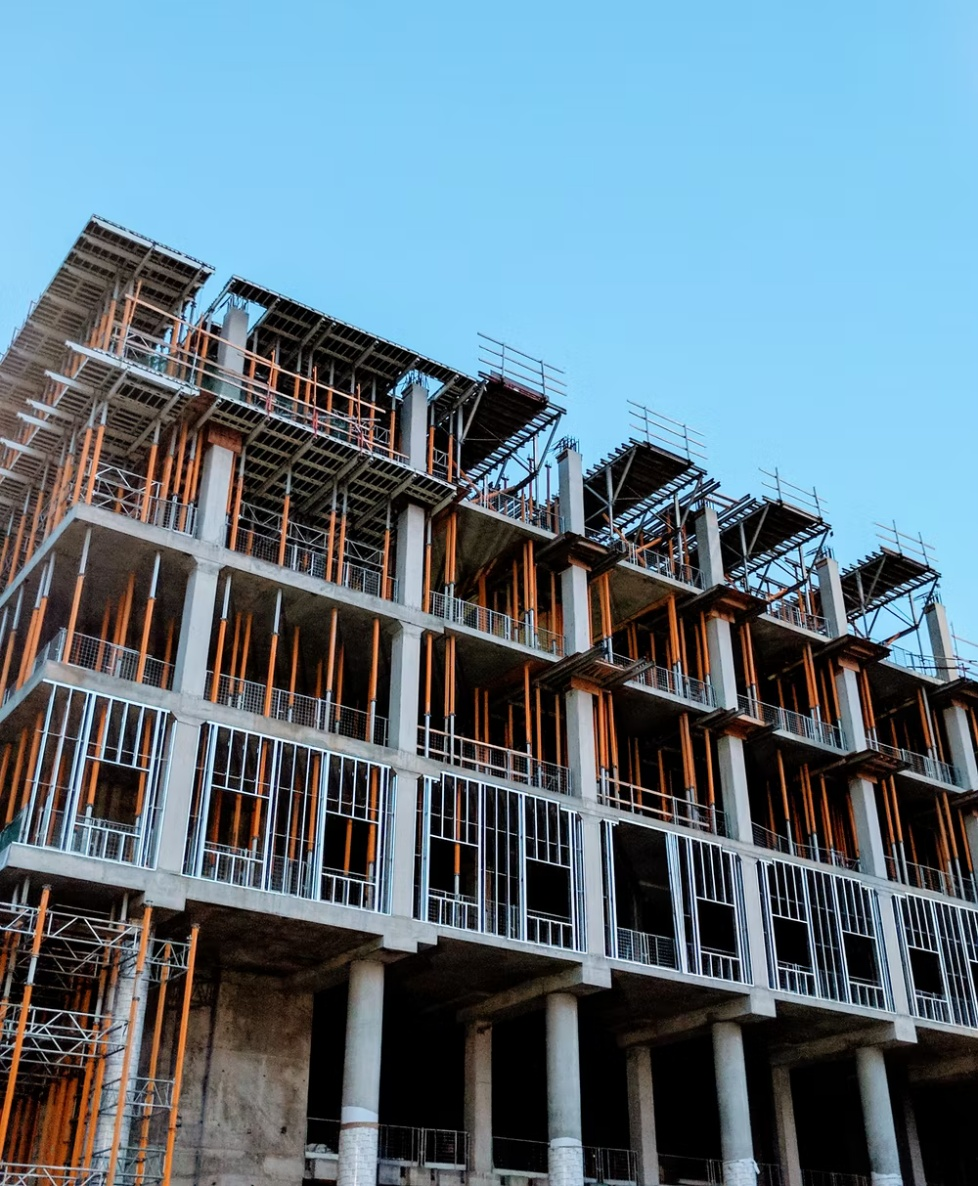
1. Give people a useful project tour
A project tour can show the scale of the work, explain a design or construction decision, and help a prospective client picture what working with you might involve. Choose one clear angle: a site constraint, an important milestone, or a feature that is easier to understand when someone walks through it.
Have a knowledgeable person explain what the viewer is seeing. Pair their explanation with details of the work, rather than a long walk-and-talk that relies on the audience already knowing the terminology.
A live tour can make sense for a timely update when the site and team are ready for it. A recorded tour gives you more control over sound, clarity, approvals, and what appears on screen. Do not make live streaming the default simply because construction is visually interesting.
Plan ahead: coordinate access with the site lead, follow site safety requirements, and confirm permissions before showing workers, clients, neighboring properties, or sensitive information. Filming should fit the jobsite’s requirements.
2. Answer the questions clients ask before they hire
Your sales team and project managers probably hear the same concerns repeatedly. Turn a few of those into focused Q&A videos: how you prepare a site, how clients receive progress updates, what happens when a change is requested, or what information helps you scope a project.
Answer one question at a time, in the language a client would use. Show a relevant example when possible. “Here is how we keep this client informed” is more useful than “Communication is our top priority.”
Where to use it: relevant service pages, estimate follow-ups, email responses, and social posts. Avoid publishing pricing or timeline promises that only apply to a particular job without explaining the context.
3. Use time-lapse to show progress—and explain it
Time-lapse can make a long construction process easy to see. It is especially useful for showing a sequence of major milestones or the scale of a transformation. Pair the footage with brief explanations so the audience understands what changed and why it mattered.
A time-lapse camera is not a substitute for a complete project story. It may miss the details, people, and decisions that make the work distinctive. Consider combining it with milestone visits, interviews, and finished photography.
Plan ahead: discuss camera placement, mounting permission, power, storage, weather exposure, maintenance access, and how long the camera needs to remain in place. Agree on who checks the equipment. These details are much easier to resolve before work starts.
4. Let a customer describe the experience
A customer story can address the concerns that finished-project footage cannot answer on its own. Ask what the client needed, what made the project challenging, how your team handled the work, and what the result means to them.
Encourage specifics without feeding the person a recommendation to repeat. A useful question might be, “Can you describe a time when something changed and how the team handled it?” Pair the answer with footage from that project where available.
Keep the proof accurate: get permission to use the customer’s interview and the location. Include costs, schedules, savings, or other results only when they are supported and approved. A clear account of a difficult job can be valuable even without a headline statistic.

Build a content plan around the project schedule
Before the next project begins, identify the moments you will not be able to recreate later. A simple capture plan could include the starting condition, key work stages, interviews with the right people, and finished footage and photography.
Then list how your team will use the assets. A website project story, a sales video, vertical clips, and proposal photography may require different framing, editing, permissions, and delivery formats. Defining those needs early helps prevent gaps in the final package.
Measure results against the purpose of the content. For sales support, ask whether the videos help prospects understand the work or arrive at a conversation better informed. For a tracked campaign, look at qualified inquiries and conversions alongside viewing data. Views alone do not tell you whether a video is attracting suitable projects.
Video and photography for construction and home services
Occulus Films provides video production for construction, trades, and home services, along with photography. Explore our work, or request an estimate with your project schedule, intended uses, and access requirements.